
How Should You Adjust Your Sprinkler Schedule as Temperatures Drop in McKinney?
As temperatures drop in McKinney, Texas, homeowners should gradually reduce sprinkler watering frequency because cooler weather, shorter days, and slower grass growth decrease lawn water demand. Adjust your irrigation schedule based on rainfall, soil moisture, and grass type rather than following a fixed summer schedule. Most established lawns need significantly less supplemental water during late fall and winter.
North Texas weather can be unpredictable, especially during the transition from summer to fall. One week may bring warm, sunny afternoons, while the next delivers cooler temperatures and steady rainfall. These changes make seasonal sprinkler adjustments essential for maintaining a healthy landscape without wasting water.
At TNT Yardscapes, we understand how important reliable irrigation is to maintaining attractive residential and commercial properties. Our lawn irrigation services focus on efficient water distribution, dependable system performance, and practical solutions tailored to each landscape. Whether you’re maintaining an established lawn or protecting a recently installed landscape, understanding seasonal watering needs can help you make better decisions about your sprinkler system.
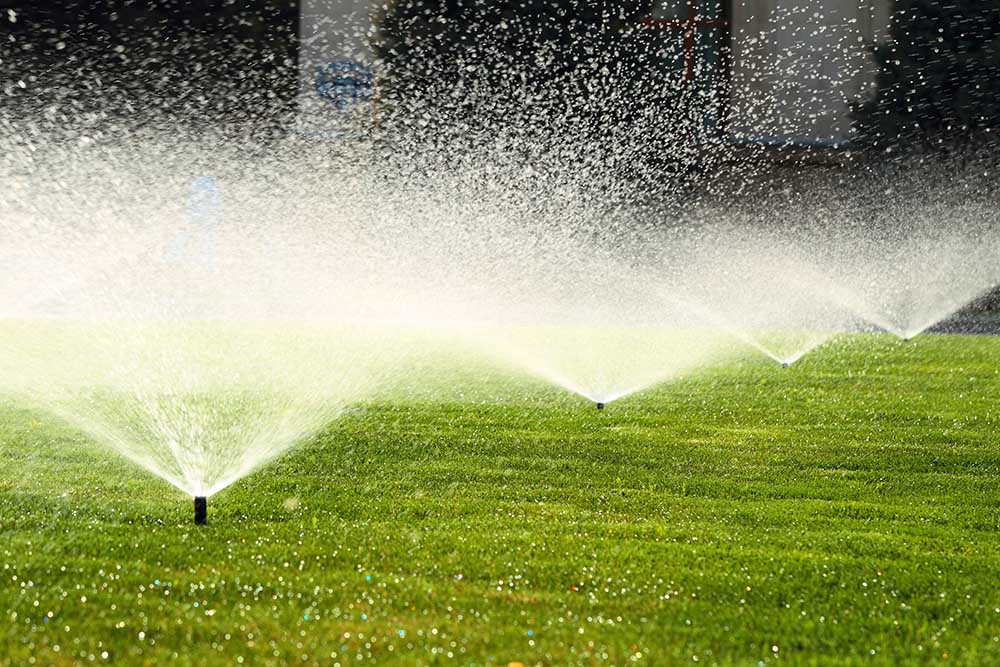
Fall Lawn Irrigation Tips for McKinney and North Texas Homeowners
A successful fall watering schedule should respond to changing weather conditions, grass growth, and soil moisture.
During summer, North Texas lawns often require more frequent watering to compensate for intense heat and evaporation. As fall arrives, those same watering schedules can deliver more water than the lawn actually needs.
Understanding when and how to make adjustments helps prevent unnecessary watering while supporting healthy grass and landscape plants.
1. Why Do Lawns Need Less Water During Fall?
Lawns generally need less irrigation during fall because cooler temperatures and shorter days reduce evaporation and plant water use.
Many McKinney-area lawns contain warm-season grasses, including Bermuda grass, St. Augustine grass, and Zoysia grass. These grasses grow actively during warmer months but begin slowing down as temperatures decline.
As growth decreases, their water requirements also change.
Several factors contribute to reduced fall watering needs:
- Lower temperatures: Cooler air generally reduces evaporation from the soil.
- Shorter daylight hours: Reduced sunlight slows plant growth and water demand.
- Seasonal rainfall: Autumn rain can provide moisture that would otherwise come from irrigation.
- Slower grass growth: Warm-season lawns require less water as they approach winter dormancy.
- Longer soil moisture retention: Cooler conditions often allow soil to remain moist for extended periods.
According to the Texas A&M AgriLife Extension Service, irrigation should be based on actual landscape water requirements rather than a fixed schedule.
This is particularly important in North Texas, where clay-heavy soils can retain moisture longer than sandy soils.
Continuing an aggressive summer watering schedule into November or December may leave your lawn unnecessarily saturated.
2. How Often Should You Run Your Sprinklers During Cooler Weather?
There is no single fall sprinkler schedule that works for every McKinney property. The correct frequency depends on recent rainfall, soil conditions, grass type, and whether the landscape contains newly installed plants.
For established lawns, the best approach is to reduce irrigation gradually as seasonal water demand decreases.
Consider these general guidelines:
Early fall (September through October):
Warm afternoons may still create significant water demand. Monitor rainfall and soil moisture before reducing watering frequency.
Late fall (November):
As temperatures cool and warm-season grass growth slows, reduce scheduled irrigation further. Established lawns may need little supplemental water during rainy periods.
Winter (December through February):
Dormant warm-season lawns generally require substantially less irrigation. During dry stretches, occasional watering may still be appropriate when temperatures are above freezing and the soil is dry.
Instead of automatically watering on certain days, check whether the lawn actually needs moisture.
A simple way to evaluate soil moisture is to insert a screwdriver or soil probe several inches into the ground. If the soil is already moist, additional watering may not be necessary.
Always follow applicable local watering restrictions and seasonal irrigation requirements.
3. What Are the Signs That Your Lawn Is Getting Too Much Water?
Overwatering can create lawn problems even when temperatures are mild.
When irrigation runs too frequently, the soil may remain saturated and limit the oxygen available to grass roots.
Common warning signs include:
- Standing water that remains long after irrigation
- Soil that feels constantly soggy
- Water running onto sidewalks or driveways
- Yellowing grass despite adequate moisture
- Soft or muddy areas that do not dry between watering cycles
- Increased fungal activity during prolonged damp conditions
These symptoms do not always indicate overwatering. Poor drainage, compacted soil, and uneven grading can create similar problems.
However, excessive sprinkler operation is one of the first factors worth investigating.
For properties with heavy clay soil, shorter watering cycles with appropriate soaking intervals may help reduce runoff.
If water regularly pools in the same location, a drainage evaluation may also be beneficial.
The goal is to provide enough moisture to support healthy roots without keeping the ground continuously wet.
4. Should You Turn Off Your Sprinkler System Completely During Winter?
Not necessarily. While established warm-season lawns require much less water during winter dormancy, completely shutting off irrigation for the entire season may not be appropriate for every landscape.
Trees, shrubs, evergreen plants, and newly installed landscaping can still require moisture during extended dry periods.
A better strategy is to adjust irrigation according to actual weather conditions.
During winter, homeowners should:
- Monitor rainfall and check soil moisture periodically.
- Avoid watering when the soil is frozen or saturated.
- Reduce automatic watering schedules significantly.
- Water only when conditions indicate that supplemental moisture is needed.
- Protect exposed irrigation components when freezing temperatures are expected.
The Environmental Protection Agency’s WaterSense program recommends adjusting irrigation schedules as weather and seasonal water needs change.
WaterSense also encourages weather-based irrigation controllers, which can automatically adjust watering schedules using local weather information.
For McKinney homeowners, these systems can help reduce unnecessary irrigation during unpredictable seasonal transitions.
Keep in mind that winter watering and freeze protection are separate concerns. Irrigation systems should not operate during freezing conditions, and exposed components may require additional protection.
5. How Can Professional Sprinkler Maintenance Improve Fall Irrigation Efficiency?
A sprinkler system inspection can identify problems that become more noticeable when watering schedules change.
Even a properly programmed irrigation controller cannot compensate for broken sprinkler heads, leaking valves, or poorly positioned spray patterns.
Before winter arrives, homeowners should evaluate several important components.
Sprinkler heads: Check for damaged, clogged, or tilted heads that create uneven coverage.
Spray patterns: Make sure water reaches the intended landscape areas rather than sidewalks, fences, or driveways.
Irrigation zones: Review whether turf areas, shrubs, and flower beds have different watering requirements.
Controller settings: Adjust watering frequency and run times to reflect seasonal conditions.
Rain and freeze sensors: Verify that installed sensors function correctly and prevent unnecessary operation.
Leaks: Look for unusually wet areas, low pressure, or water continuing to flow after a zone shuts off.
According to the EPA WaterSense program, irrigation systems should be inspected regularly to identify leaks, broken components, and inefficient watering patterns.
At TNT Yardscapes, lawn irrigation is part of our broader approach to maintaining functional, attractive landscapes. Proper system performance supports plant health while helping homeowners manage water more responsibly.
Frequently Asked Questions About Fall Sprinkler Schedules
When should I reduce sprinkler watering in McKinney?
Begin reassessing your watering schedule as temperatures decline in September and October. More substantial reductions are often appropriate during November as warm-season grass growth slows and water demand decreases.
Should I water Bermuda grass during winter in North Texas?
Dormant Bermuda grass generally needs little supplemental irrigation. However, occasional watering may be necessary during extended dry periods when the soil is dry and temperatures are above freezing.
Can overwatering cause yellow grass in the fall?
Yes. Excess moisture can reduce oxygen around grass roots and contribute to yellowing. However, yellow grass can also result from seasonal dormancy, nutrient deficiencies, or other lawn conditions.
Are smart sprinkler controllers worth considering for North Texas homes?
Smart irrigation controllers can be useful because they adjust watering based on weather conditions or soil moisture information. Proper installation, programming, and maintenance are still important for efficient operation.
Ready to Improve Your Sprinkler System’s Efficiency? Contact TNT Yardscapes!
Your lawn’s watering needs change throughout the year, and your irrigation system should change with them.
At TNT Yardscapes, we help North Texas homeowners maintain attractive, healthy landscapes with irrigation solutions designed for dependable performance and efficient water use.
Whether you’re dealing with uneven sprinkler coverage, seasonal watering concerns, or an irrigation system that needs professional attention, our team can help you explore the right solution for your property.
Contact TNT Yardscapes today to discuss your sprinkler system and keep your landscape prepared for the changing seasons!