
How Do You Design a Beautiful Low-Maintenance Landscape?
To design a beautiful low-maintenance landscape, choose plants suited to your climate, reduce high-maintenance lawn areas, install efficient irrigation, and use durable materials such as mulch, stone, and pavers. Group plants by their water and sunlight needs, improve drainage, and create a practical layout. These choices reduce routine upkeep while keeping your outdoor space attractive and functional.
A beautiful yard shouldn’t require every weekend of your free time. With thoughtful planning, homeowners can enjoy welcoming outdoor spaces without constant mowing, watering, pruning, and replacing plants.
At TNT Yardscapes, we believe landscaping should complement your lifestyle rather than create additional work. Our approach focuses on combining visual appeal with practical design choices that make outdoor spaces easier to maintain. Whether you want colorful planting beds, inviting walkways, or a relaxing backyard retreat, thoughtful landscaping can help you achieve the right balance between beauty and convenience. By considering plant selection, irrigation, drainage, and long-term upkeep, TNT Yardscapes helps homeowners make informed decisions about their outdoor environments.
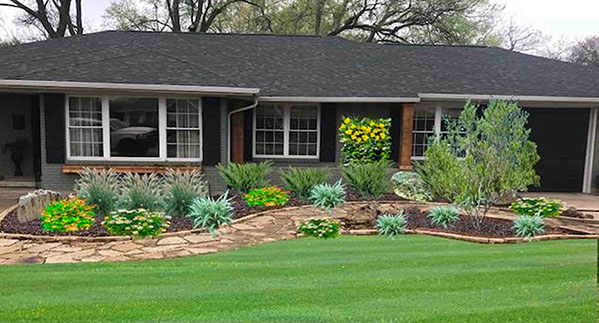
Smart Landscape Design Ideas That Reduce Yard Maintenance
Low-maintenance landscaping is about making intentional choices that minimize unnecessary work while preserving the beauty and functionality of your property.
The most successful designs consider how plants grow, how water moves, and how homeowners actually use their outdoor spaces.
1. What Are the Best Plants for a Low-Maintenance Landscape?
The best low-maintenance plants are those naturally suited to your region’s climate, soil conditions, and available sunlight.
Native and well-adapted plants often require less supplemental watering, fertilizing, and pest management once established than plants that struggle in local conditions.
The U.S. Environmental Protection Agency’s WaterSense program recommends selecting climate-appropriate plants and grouping plants with similar water needs to create more water-efficient landscapes.
Consider these plant-selection strategies:
- Choose native plants: Look for species adapted to your area’s rainfall, temperature, and soil.
- Use hardy perennials: Select plants that return year after year instead of relying entirely on seasonal annuals.
- Include evergreen shrubs: Add structure and greenery without frequent seasonal replacement.
- Select appropriately sized plants: Avoid shrubs that require constant pruning to fit their location.
- Group plants by water needs: Place drought-tolerant varieties together and separate them from plants requiring more moisture.
Before planting, consider each plant’s mature size, sunlight requirements, and expected maintenance.
Helpful tip: Avoid overcrowding new landscape beds. Giving plants room to reach their mature size reduces pruning, competition, and future transplanting.
2. How Can You Reduce Lawn Maintenance Without Sacrificing Curb Appeal?
Reducing the amount of traditional turfgrass is one of the most effective ways to lower routine landscape maintenance.
Lawns often require regular mowing, edging, watering, fertilization, and weed management. Replacing selected lawn areas with attractive alternatives can significantly reduce these recurring tasks.
Consider incorporating:
Decorative Landscape Beds
Mulched planting beds filled with shrubs, perennials, and ornamental grasses can add color and texture while reducing the amount of grass that needs mowing.
Paver Walkways and Patios
Pavers create functional spaces for walking, entertaining, and relaxing. They also reduce the amount of living landscape that requires routine watering and trimming.
Groundcover Plants
Low-growing groundcovers can fill areas where turf struggles, such as certain shaded slopes or narrow planting spaces. Choose varieties appropriate for your region and avoid invasive species.
Decorative Stone
Gravel and decorative rock can provide visual interest in appropriate locations, although they still require occasional cleaning and weed control.
The goal isn’t necessarily to eliminate grass. Instead, maintain turf where it serves a purpose and use lower-maintenance alternatives elsewhere.
3. Does Installing an Irrigation System Make Landscaping Easier?
Yes. A properly designed irrigation system can make landscape maintenance easier by delivering water more consistently and reducing the need for manual watering.
Efficient irrigation is especially valuable for homeowners with multiple planting beds, larger lawns, or different watering zones.
According to the EPA WaterSense program, outdoor water use accounts for more than 30% of total household water use on average in the United States, and it can be much higher in drier regions.
Water-efficient irrigation features include:
- Drip irrigation: Delivers water directly to planting areas with minimal overspray.
- Smart controllers: Adjust watering schedules using weather information or soil-moisture data.
- Separate watering zones: Allow lawns, shrubs, and flower beds to receive different amounts of water.
- Rain sensors: Help prevent unnecessary watering during or after rainfall.
- Proper sprinkler placement: Reduces wasted water on sidewalks, driveways, and other hard surfaces.
Even automated systems require periodic inspection to identify leaks, clogged emitters, and misaligned sprinkler heads.
Helpful tip: Combine efficient irrigation with climate-appropriate plants for better water management and less day-to-day attention.
4. Why Are Mulch, Edging, and Drainage Important for Easy Yard Care?
Mulch, landscape edging, and proper drainage help reduce recurring maintenance problems by supporting healthier plants and keeping landscape areas organized.
These features may seem simple, but they play an important role in making a landscape easier to manage.
Mulch Helps Control Weeds and Moisture
Organic mulch can reduce weed growth, moderate soil temperatures, and help soil retain moisture. As it decomposes, it can also contribute organic matter to the soil.
The University of Maryland Extension recommends maintaining an appropriate mulch layer while keeping mulch away from direct contact with tree trunks and plant stems.
Landscape Edging Keeps Beds Defined
Durable edging creates a clear separation between lawns, planting beds, and hardscape features. This can reduce grass encroachment and make trimming more manageable.
Proper Drainage Prevents Recurring Problems
Standing water and erosion can turn a simple landscape into a demanding maintenance project.
Thoughtful grading, drainage channels, and appropriate runoff management help prevent soggy planting beds, washed-out mulch, and muddy areas.
Together, these improvements create a cleaner, more organized landscape that requires less corrective maintenance.
5. How Do You Create a Low-Maintenance Backyard That Still Feels Inviting?
A low-maintenance backyard should balance comfortable gathering spaces, attractive landscaping, and practical functionality.
Start by deciding how you want to use your outdoor space. A family that enjoys entertaining may benefit from a spacious patio, while someone seeking relaxation might prefer a small seating area surrounded by ornamental plants.
Design elements worth considering include:
- Defined outdoor living areas: Patios and seating spaces provide usable areas without adding mowing requirements.
- Simple planting arrangements: Repeating a few complementary plant varieties creates visual consistency and simplifies care.
- Durable hardscape materials: Quality pavers and stone can provide years of use with periodic upkeep.
- Well-planned pathways: Clear walkways improve access to planting beds and outdoor features.
- Strategic shade: Properly placed trees or shade structures can make outdoor spaces more comfortable.
- Accessible planting beds: Design beds so routine pruning, watering, and cleanup remain manageable.
Keep the design cohesive rather than filling every available space with different plants or decorative features.
Helpful tip: Think about how your landscape will look five years from now. Selecting plants based on mature size and growth habits can help prevent overcrowding and unnecessary maintenance.
Frequently Asked Questions About Low-Maintenance Landscaping
What is the easiest type of landscaping to maintain?
A landscape with climate-appropriate plants, mulched beds, limited turfgrass, efficient irrigation, and durable hardscaping is generally easier to maintain. The ideal combination depends on your property and climate.
Is low-maintenance landscaping more expensive to install?
Low-maintenance landscaping can have higher initial costs when it includes irrigation systems, patios, or extensive planting-bed conversions. However, reduced watering, mowing, and plant replacement may lower ongoing maintenance expenses.
Can a low-maintenance yard still have flowers and colorful plants?
Yes. Hardy flowering perennials, native plants, and appropriately selected shrubs can provide seasonal color without requiring constant replanting. Choosing plants suited to local conditions is especially important.
Does low-maintenance landscaping mean no maintenance?
No. Every landscape requires some care, including occasional pruning, weeding, irrigation inspections, and seasonal cleanup. Low-maintenance design reduces the frequency and intensity of those tasks rather than eliminating them entirely.
Create a Beautiful, Easy-to-Maintain Landscape With TNT Yardscapes
Your outdoor space should be somewhere you can relax, entertain, and enjoy time with family, not another long list of weekend chores.
Whether you’re planning a complete landscape makeover or looking for ways to simplify your existing yard, TNT Yardscapes can help you explore practical design ideas that combine lasting beauty with manageable upkeep.
Ready for a beautiful yard with less maintenance? Contact TNT Yardscapes today to start planning an outdoor space you’ll love spending time in.