
How Do You Know If Your Sprinkler System Needs Repairs?
Your sprinkler system likely needs repairs if you notice uneven watering, unusually high water bills, leaking or broken sprinkler heads, low or inconsistent water pressure, or zones that fail to turn on or shut off correctly. Addressing these warning signs early can reduce water waste, protect your lawn and landscaping, and prevent a small irrigation problem from becoming a more expensive repair.
At TNT Yardscapes, we know a healthy landscape depends on more than choosing the right plants and keeping the grass trimmed. Your irrigation system plays an important role in delivering consistent moisture where your landscape needs it. When sprinklers stop working properly, the symptoms can show up quickly as brown patches, soggy areas, runoff, or unnecessary water use. Our team takes a practical, customer-focused approach to landscape care, helping homeowners identify irrigation problems and find solutions that support healthier lawns and more efficient watering. Knowing the early warning signs can help you determine when a sprinkler issue deserves professional attention.
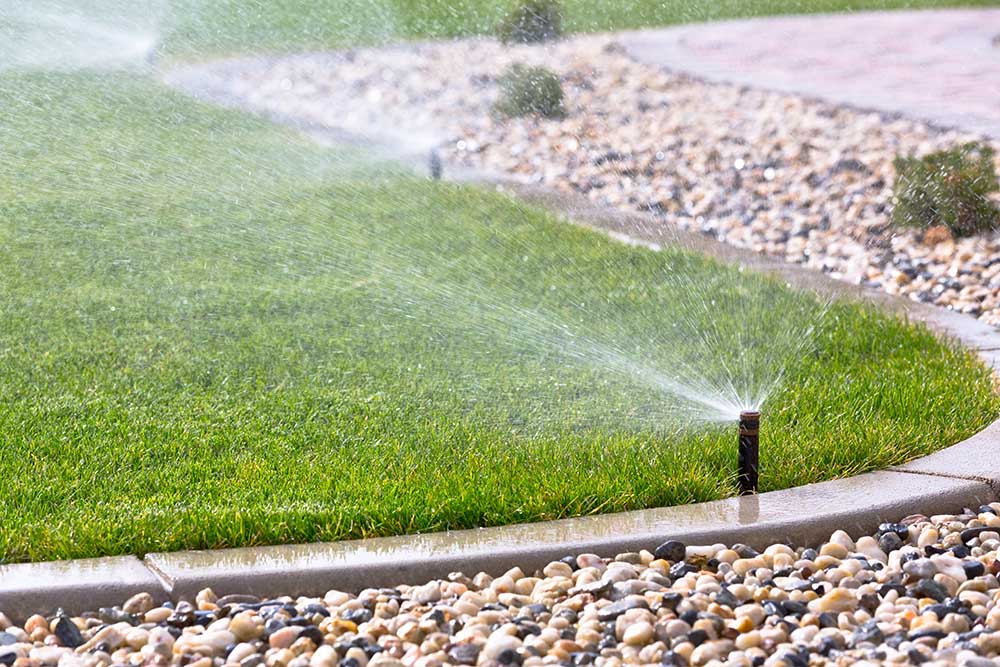
5 Sprinkler System Problems That May Signal a Repair
Some sprinkler problems are easy to spot, while others develop underground or inside valves and controllers. The following five signs are among the most common indications that your irrigation system is not operating as efficiently as it should.
1. Why Is My Lawn Being Watered Unevenly?
Dry patches next to overly wet areas often indicate that your sprinkler system is distributing water unevenly. The problem could come from clogged nozzles, damaged or tilted sprinkler heads, incorrect head placement, poor pressure, or another irrigation system malfunction.
A properly functioning system should provide relatively uniform coverage throughout each irrigation zone. The U.S. Environmental Protection Agency’s WaterSense program recommends “head-to-head” coverage, meaning water from each sprinkler should reach the adjacent sprinkler.
Walk around your lawn while each sprinkler zone is running. Watch for:
- Sprinkler heads that do not pop up completely
- Heads spraying in the wrong direction
- Weak or unusually short spray patterns
- Water hitting sidewalks, driveways, or structures
- Areas receiving noticeably more or less water than surrounding turf
Do not automatically compensate for dry patches by increasing the watering time. If poor sprinkler coverage is the underlying problem, running the system longer can simply overwater other areas.
2. Why Has My Water Bill Suddenly Increased?
An unexplained increase in water use can be a warning sign of an irrigation leak or inefficient sprinkler system. Underground pipe leaks, damaged sprinkler heads, leaking valves, and excessive water pressure can all waste water without being immediately obvious.
EPA WaterSense recommends comparing water bills with the same month from the previous year because a significant increase can indicate an unidentified leak. The EPA also notes that a single broken or missing sprinkler component can waste as much as 1,000 gallons of water per week.
If your irrigation schedule has not changed but your water consumption has, inspect the sprinkler system. A professional evaluation may help locate leaks or malfunctioning components that are difficult to detect from the surface.
3. Are Leaking or Broken Sprinkler Heads a Serious Problem?
Yes. Broken sprinkler heads should be repaired promptly because they can waste substantial amounts of water and prevent the surrounding landscape from receiving proper coverage.
Common symptoms include water bubbling around a sprinkler head, a small geyser when a zone starts, heads that remain stuck below ground, or water continuing to seep after the system shuts off.
EPA WaterSense recommends inspecting irrigation systems monthly for broken, clogged, or leaking sprinkler heads and other problems.
Standing water deserves attention too. Pooling between irrigation cycles can indicate an underground leak, while water accumulating around a sprinkler head could point to a damaged fitting or connection.
Fixing these problems promptly helps conserve water and reduces the chance of creating muddy areas, stressed plants, or erosion.
4. What Does Low or Inconsistent Sprinkler Pressure Mean?
Weak spray, misting, or dramatic pressure differences between sprinkler heads can indicate an irrigation system problem. Depending on the symptoms, the cause could involve leaks, clogged components, damaged pipes, valves, or improper pressure regulation.
Low pressure may prevent sprinklers from reaching their intended coverage areas, leaving parts of the lawn dry. Excessive pressure can create fine mist that is more easily carried away by wind and may cause sprinklers to apply water inefficiently.
EPA WaterSense specifically warns that high pressure can cause sprinklers to spray water faster than expected and contribute to flooding or water waste. Pressure-regulated sprinkler equipment can help systems operate more efficiently.
When pressure changes suddenly throughout an established system, it is worth investigating instead of simply increasing watering times.
5. Why Won’t a Sprinkler Zone Turn On or Shut Off?
A sprinkler zone that does not start, runs continuously, or behaves differently from the programmed schedule may have a valve, wiring, controller, or connection problem.
Sometimes the issue is relatively simple, such as an incorrect controller setting. Other times, a valve may be unable to close completely, allowing water to seep into the landscape even when irrigation should be off. EPA WaterSense recommends checking valve boxes and connections because valves that cannot close fully can allow a system to leak between watering cycles.
Check the controller first to confirm the watering schedule and individual zones are programmed correctly. If the settings look normal but a zone continues malfunctioning, professional sprinkler repair can help identify the source without unnecessary guesswork.
Why Prompt Sprinkler Repair Matters
Repairing sprinkler problems early can protect both your landscape and your water budget. Irrigation problems do not always stay isolated. A leaking fitting can worsen, poor coverage can stress turf, and excessive watering can create conditions that are unhealthy for plants.
Water conservation is another important reason to maintain the system. According to EPA WaterSense, as much as 50 percent of outdoor water use can be lost through wind, evaporation, and runoff associated with inefficient irrigation practices and systems.
Routine inspections can help catch trouble early. Once a month, run each irrigation zone while you can watch it operate. Look for damaged heads, unexpected puddles, overspray, runoff, weak coverage, and anything else that has changed since your previous inspection.
Sprinkler System Repair FAQs
How often should I have my sprinkler system checked?
EPA WaterSense recommends inspecting an irrigation system monthly for leaks, broken or clogged heads, and other problems. A professional inspection can also be useful when you notice unexplained changes in performance.
Can a sprinkler system leak when it is turned off?
Yes. A damaged underground pipe, leaking connection, or valve that does not close completely can allow water to escape between scheduled irrigation cycles. Persistent soggy areas or pooling water can be signs of a hidden leak.
Should I repair or replace my sprinkler system?
Individual problems such as damaged heads, valves, nozzles, or localized leaks can often be repaired. If problems are widespread, equipment is outdated, or the system consistently provides inefficient coverage, larger upgrades may be worth considering.
Can sprinkler problems cause brown spots in my lawn?
Yes. Clogged or damaged heads, insufficient pressure, and poor sprinkler coverage can leave sections of turf without enough water. Before increasing your watering schedule, check whether the affected area is actually receiving proper coverage.
Ready for Sprinkler System Repairs? Contact TNT Yardscapes Today!
Do not wait for a small irrigation issue to waste water or damage your landscape. If you have noticed dry patches, standing water, broken sprinkler heads, unusual pressure, or malfunctioning zones, contact TNT Yardscapes to discuss professional sprinkler system repair and keep your landscape watered efficiently.