How Do Healthy Trees Improve Property Value?
Healthy trees can improve property value by increasing curb appeal, providing shade, enhancing privacy, and making outdoor spaces more attractive to potential buyers. Research from the U.S. Forest Service has consistently found a positive relationship between healthy tree cover and residential property values, making well-maintained trees both a landscaping feature and a long-term property investment.
At TNT Yardscapes, we know that a beautiful property is about more than maintaining green grass and colorful flower beds. Trees play an important role in the appearance, comfort, and overall function of a landscape. Healthy, properly maintained trees can frame a home, provide valuable shade, complement other landscaping features, and create an established appearance that takes years to reproduce. Poorly maintained, damaged, or misplaced trees can have the opposite effect. By considering trees as part of the entire landscape, homeowners can protect these valuable assets while creating an outdoor environment that looks intentional and inviting. Thoughtful landscape care today can help your trees continue contributing beauty and value for years to come.
Why Healthy Trees Are a Valuable Landscaping Investment
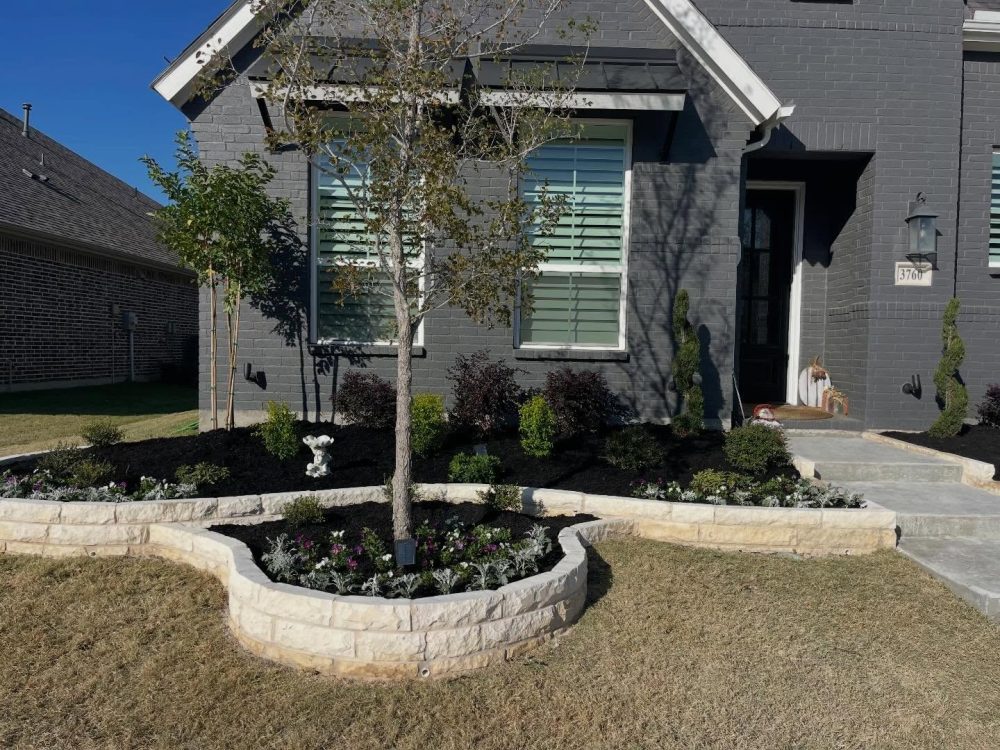
Healthy trees can contribute to property value in several ways at once. They improve visual appeal, provide practical benefits such as shade, and help create the mature landscaping many homeowners and buyers find desirable.
A U.S. Forest Service study of 844 single-family home sales found that landscaping with trees was associated with sales-price increases of approximately 3.5 to 4.5 percent. More recent Forest Service research examining multiple property-value studies has also found a positive relationship between tree cover and home values.
How Much Can Trees Increase a Home’s Value?
The exact value varies by property and market, but research shows that healthy trees and tree cover can have a measurable positive effect on residential property values.
There is no universal percentage that applies to every house. Tree species, size, condition, location, overall canopy coverage, neighborhood characteristics, and the local real estate market can all affect the value trees provide.
A 2022 U.S. Forest Service meta-analysis evaluated 21 studies and 157 observations examining tree cover and U.S. home values. Researchers found that increases in tree cover were associated with increases in home value, with the effect varying according to factors such as canopy density and whether the trees were located on or near the property.
Another Forest Service analysis found that property-level tree cover of approximately 30 percent maximized the estimated contribution of tree cover to property values in the studies analyzed. This does not mean every property needs exactly 30 percent coverage, but it demonstrates that thoughtfully placed tree canopy can be an economically meaningful landscape feature.
Why Do Mature Trees Improve Curb Appeal?
Healthy mature trees create visual structure, shade, scale, and an established appearance that can make a property more appealing.
A mature tree cannot be recreated overnight. Depending on the species, achieving a substantial canopy can take many years. Existing healthy trees can therefore give established properties a landscape feature that newly planted yards cannot immediately duplicate.
Trees can improve curb appeal by:
- Framing the home and other landscape features
- Adding height, texture, and natural color
- Creating attractive shaded areas
- Screening undesirable views
- Providing greater privacy
- Making lawns and outdoor living areas feel established
- Softening hard surfaces such as driveways, sidewalks, and structures
The condition of the tree matters, however. A healthy, well-positioned tree can be an asset, while a severely damaged, declining, or poorly located tree may create concerns for homeowners.
Can Shade Trees Reduce Home Energy Costs?
Yes. Strategically positioned shade trees can reduce solar heat around a home and may lower summertime cooling needs.
The benefits of trees are not purely visual. Tree canopies can shade roofs, windows, walls, patios, and other surfaces that absorb heat during sunny weather.
U.S. Forest Service research examining homes in Sacramento, California, found that shade trees on the south and west sides of houses reduced summertime electricity bills by an average of $25.16 during the study. The same Forest Service report found that street trees near homes in Portland, Oregon, were associated with higher sale prices and slightly shorter time on the market.
Actual energy savings will vary depending on climate, tree species, tree size, placement, home construction, and other factors. Still, strategic shade is one more way healthy trees can provide practical value beyond their appearance.
Does Tree Placement Affect Property Value?
Yes. The right tree in the right location can provide substantial benefits, while poor placement can create expensive problems.
Trees should be selected with their mature size in mind. A small tree planted today could eventually interfere with structures, sidewalks, driveways, utility lines, or other landscape elements if there is not enough room for it to grow.
Homeowners should consider:
- Mature height and canopy spread
- Root growth and available soil space
- Distance from the home and other structures
- Overhead and underground utilities
- Sunlight requirements
- Drainage and irrigation
- Desired shade and privacy
- Long-term maintenance needs
Research on tree valuation also demonstrates why placement matters. U.S. Forest Service research has found that management costs and conflicts with infrastructure can sometimes reduce the net benefits trees provide. Selecting an appropriate tree and planting location from the beginning can help homeowners maximize benefits while limiting future problems.
Why Is Tree Health So Important?
Healthy trees provide the greatest opportunity for long-term landscape and property benefits because many of those benefits increase as trees grow and develop larger canopies.
The U.S. Forest Service notes that urban trees provide benefits including wildlife habitat and improved real estate values. Forest Service assessments have also found that many functional benefits increase with the number, size, and health of trees.
Warning signs that a tree may need professional attention include:
- Dead or dying branches
- Significant canopy thinning
- Unusual leaf discoloration
- Visible trunk damage
- Signs of disease or pests
- Exposed or damaged roots
- Significant leaning or structural changes
Homeowners should not ignore sudden or significant changes. Identifying potential problems early can help determine whether a tree needs maintenance, additional evaluation, or another course of action.
How Can Homeowners Protect the Value of Their Trees?
Protecting valuable trees starts with making them part of your overall landscape plan rather than treating them as separate features.
Give established trees adequate room around their roots and trunks, and avoid unnecessary damage during landscaping or construction. The Arbor Day Foundation specifically recommends protecting existing trees during development because preserving healthy mature trees can contribute to higher property values.
Homeowners can also support healthy landscapes by:
- Choosing appropriate trees: Select species suited to the property’s conditions and available space.
- Planning for mature size: Consider what the tree will look like years from now, not just at planting.
- Providing appropriate water: Newly planted and established trees can have different watering needs.
- Watching for changes: Address unusual leaf loss, branch dieback, trunk damage, or other problems promptly.
- Protecting mature trees: Avoid unnecessary root damage during construction or major landscape renovations.
- Maintaining the surrounding landscape: Healthy lawns, beds, irrigation, and drainage all contribute to a more attractive property.
Frequently Asked Questions About Trees and Property Value
Do mature trees increase property value?
Healthy mature trees can positively influence property value, although the exact amount varies by property and market. U.S. Forest Service research has repeatedly identified a positive association between tree cover and residential property values.
Are trees always good for property value?
Not necessarily. Healthy, attractive, appropriately located trees can add value, while hazardous, declining, invasive, or poorly positioned trees may become liabilities. Tree condition and placement are important factors.
Is it better to preserve mature trees or plant new ones?
When an existing mature tree is healthy, appropriate for its location, and structurally sound, preserving it can retain benefits that a small replacement tree may take years to provide. New tree planting is also valuable when the species and location are chosen with long-term growth in mind.
What landscaping adds the most value to a home?
There is no single landscape feature guaranteed to produce the highest return for every property. Healthy trees, maintained lawns, attractive planting beds, functional irrigation, clean edges, and an intentional overall design can work together to strengthen curb appeal and make a property more attractive to potential buyers.
Invest in a Healthier, More Valuable Landscape
Healthy trees are more than attractive additions to a yard. They can provide shade, privacy, curb appeal, environmental benefits, and an established appearance that contributes to the overall desirability of a property.
Research continues to support the economic importance of tree cover. A 2025 U.S. Forest Service study estimated that, depending on location, a 1 percentage point increase in urban tree cover was associated with an increase in home values of approximately $9 to $134 per home in 2020 dollars.
TNT Yardscapes understands that every part of your landscape contributes to the bigger picture. Thoughtful landscaping around healthy trees can help protect existing assets, improve the appearance of your property, and create outdoor spaces you can enjoy for years.
Ready to Improve Your Landscape and Enhance Your Property’s Curb Appeal? Contact TNT Yardscapes Today